"How to Craft Superb Table Wines at Home"
Yes, I’ll admit it … I am a home winemaker (but I'm not an alcoholic).
I have made wine from grapes, red, white and black. I’ve made wine from
raspberries and cherries, and from rose petals and turnips. I’ve made
cherry brandy and liqueurs of all kinds, all in my simple garage at home,
and I am convinced with a little help you can do the same.
I can tell you how you can make wine from classic wine grapes, wines that
your friends will think is Californian Cabernet Sauvignon or Merlot, Burgundy
from France, or New Zealand Sauvignon Blanc!
You can make delicious wine
yourself from just about any fruit that you like, even from your favorite
flowers. You can make a very passable liqueur from potatoes, and a clear,
aged whiskey from carrots.
But Be Warned... If You Don't Know What You're Doing, Home Made Wine Has A Tendancy To Turn Out Sour & Cloudy.
Lots of home winemakers are disappointed with their efforts, repeatedly turning out sour and cloudy, batches over and over again. My early attempts were no different, and maybe yours have been the same.
Over the years, I spent hours discussing the best way to make wine, reading books and magazines in city libraries, and searching online. Trying to understand how to make wines with lots of flavor, the right amount of alcohol, perfect color, and wine that is absolutely clear
I found answers to those questions, and if you can give me a few minutes of your time, I will share with you my secrets.
My little secret...
Click Here For
Instant Download
I'll admit that I did spend many hours and a significant amount of my own money, researching and learning about making wine at home to uncover the tricks used by the experts to produce clear, smooth great tasting wine.
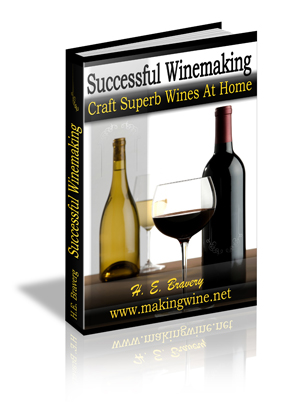
That said, when I think back over the years, perhaps the best book I
found on the topic was called “Successful Winemaking.”
Here's just a few things the book covers all in clear step-by-step
instructions:
- The modern methods of home winemaking that are quick, clean, and simple, giving wonderful wines, high in alcohol and perfectly clear
- How to make the classic “wine grape” wines, including reds, whites and beautiful rosés, including how long to leave the “must” before fermentation starts, and how long to ferment – this is absolutely crucial
- Recipes and step-by-step techniques for making French and Italian Vermouth-style wines, and well as cherry-brandy and other fruit liqueurs
- The best kind of yeast to use for home winemaking, and how much to use for exactly the right amount of alcohol
- The perfect temperature to keep the “must” for clear, high-alcohol wine – this has a tolerance of only 5 degrees, so you have to have this right
- The correct kind of sugar to use for wines you will be proud of – don’t skimp on this – and where to store your wines while fermenting for best results
- How to know when fermentation has ceased, and the particular pieces of equipment to use to know when this is – if you have this wrong your wine will be over-sweet and low in alcohol, or sour and flat
- The recipes and methods to ensure your wine is crystal-clear, and when, if and how to “rack” your wine
- The “enemies” of home winemaking which can leave your wine sour, or acid, and how to combat these enemies which live in every house
- How to correctly sterilize jars, bottles and corks properly so fermentation can occur correctly
- The role of sulfites in clarifying wine, but most importantly, exactly how much to use – almost no home winemaker knows this amount correctly
- The two methods for home fruit wine making, depending on whether you want a flavor-heavy wine, or a light refreshing wine
- How to make a Beaujolais-style wines from blackberries or blackcurrants, along with cherry and redcurrant wines,
- How to make either a light, dry red or a sweet dessert wine from raspberries, how to make wine from rose petals, and how to make your own aged-style whiskey at home from potatoes, carrots or wheat
Here's The Bottom Line...
Making wine at home is a fabulous hobby. It can save you money, important in difficult times, and give you an endless source of fun, interest and excitement. It can also be a long and difficult journey, with lots of potential mistakes along the way.
“Successful Winemaking” is the finest instructional manual available today. Step-by-step instructions show you exactly how to make luxury wine at home yourself. There is no point stocking up on your jars and bottles, buying chemicals and preparing your fruit unless you know the exact methods to make the wines you are hoping for.
Either resign yourself to paying expensive bottle-shop prices for the rest of your life, or learn to make your own wine properly, with “Successful Winemaking”. While it is fresh in your mind.
Order for $9.97 and begin making your own great wine tomorrow.


Are you still thinking about it? Please let me remove your risk completely with my... No Questions Asked, Money Back 60 Day Guarantee...
...Grab your copy of "Successful Winemaking", and if you're not happy for any reason simply let me know and I'll refund your purchase 100%. I can't be fairer than that.
Order now and I guarantee you'll be thrilled.
By the way, I have added two additional ebooks, "Sangria Wine Recipes" - which includes 50 Sangria Wine Recipes that are great for parties and warm evenings... AND "Various Wine Recipes" - which provide many additional fruit and vegetable winemaking recipes to try out, as bonuses for purchasing "Successful Winemaking"
Happy Wine Making,
